Home Window Tinting: Benefits, Types, and Expert Tips
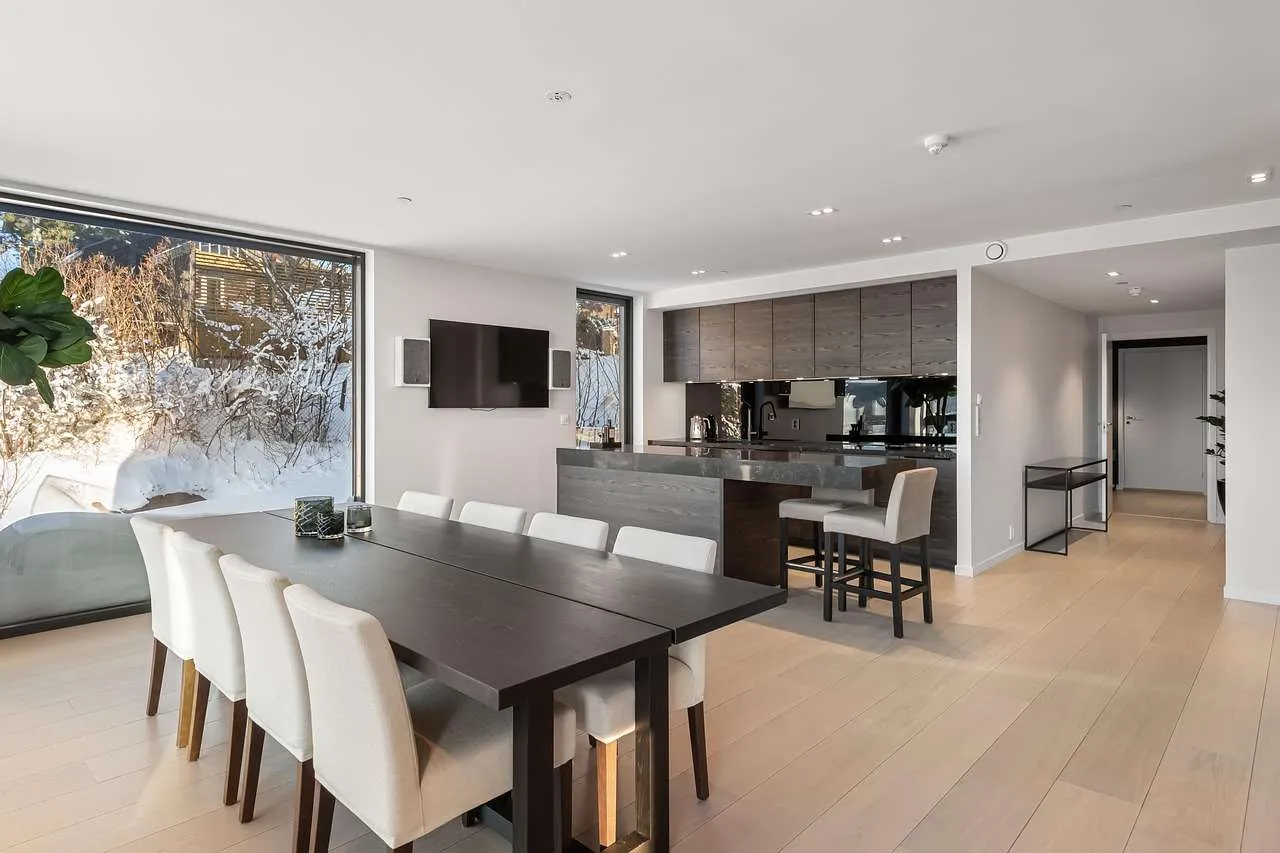
Introduction to Home Window Tinting
Home window tinting has become an increasingly popular solution for homeowners looking to enhance comfort, protect interiors, and reduce energy costs. By applying specialized films to residential windows, window tinting offers benefits ranging from UV protection and glare reduction to energy efficiency and added privacy.
What Is Home Window Tinting?
Home window tinting involves the application of a thin film made from polyester or metalized materials on the interior side of the window glass. These films vary in darkness, reflectivity, and functionalities, tailored to meet different homeowner needs.
Key Benefits of Home Window Tinting
- UV Protection: Window films can block up to 99% of harmful ultraviolet rays, preventing interior fading on furniture, flooring, and artwork.
- Energy Efficiency: Tinted windows reduce heat gain during summer and heat loss during winter, translating into lower utility bills.
- Glare Reduction: Window tints minimize glare inside the home, creating a more comfortable environment for reading, watching TV, or working on screens.
- Privacy: Depending on the tint type, these films can enhance privacy without sacrificing natural light.
- Safety and Security: Certain thicker films hold shattered glass fragments together in case of breakage, adding a layer of protection.
Types of Home Window Tinting Films
| Type | Features | Ideal Uses |
|---|---|---|
| Dyed Films | Absorb solar heat, affordable, reduce glare | Basic UV protection and glare reduction |
| Metalized Films | Reflect heat and UV rays, durable, enhance privacy | Energy efficiency and privacy |
| Spectrally Selective Films | Block heat and UV while allowing visible light, less reflective | High-performance energy savings and natural light |
| Hybrid Films | Combination of dyed and metalized layers for balanced performance | Versatile use balancing cost and effectiveness |
How to Choose the Right Window Tinting for Your Home
Selecting the most suitable window film depends on several factors, including climate, window orientation, budget, and personal preferences. Consider the following:
- Climate: Hotter regions benefit greatly from metalized or spectrally selective films that reduce solar heat gain.
- Window Orientation: South- and west-facing windows usually require stronger heat rejection films.
- Light and Privacy Preferences: Balance between natural light and privacy should guide the choice of tint darkness and reflectivity.
- Energy Goals: For maximizing energy efficiency and cooling savings, invest in high-performance films certified by energy agencies.
Professional Installation vs. DIY Window Tinting
While DIY window tinting kits are available for homeowners, professional installation is highly recommended for the following reasons:
- Precision: Professionals ensure bubble-free, wrinkle-free application that lasts longer.
- Warranty: Many films come with warranties only valid if installed by certified technicians.
- Customization: Experts can recommend the best film type and thickness based on your home’s unique needs.
- Legal Compliance: Professionals help comply with local building codes or HOA regulations.
Cost Considerations for Home Window Tinting
The cost of home window tinting depends on the size and number of windows, type of film selected, and labor fees. On average:
| Service | Cost Range (USD) |
|---|---|
| Basic Dyed Film Installation | $6 - $8 per sq. ft. |
| Metalized or Hybrid Films | $8 - $12 per sq. ft. |
| Premium Spectrally Selective Films | $12 - $15+ per sq. ft. |
Given the potential energy savings and protection benefits, home window tinting often pays for itself over time.
Frequently Asked Questions
Will window tinting reduce natural light inside my home?
Quality window films are available in various shades, including options designed to maintain high visible light transmission while blocking heat and UV rays.
Does window tinting help with allergy control?
While window tinting primarily blocks UV rays and heat, it also reduces glare and may help inhibit some pollen attachment, but it is not a substitute for air filtration systems.
How long does window tinting last?
High-quality window films professionally installed can last 10 to 15 years or more based on maintenance and environmental conditions.
Summary
Home window tinting is a valuable home improvement that enhances energy efficiency, protects interiors from UV damage, reduces glare, and adds privacy and safety. Understanding the different types of window films and working with a professional installer ensures the best results tailored to your home's needs. Balancing cost with performance, homeowners can enjoy significant savings and increased comfort year-round. Investing in high-quality, professionally installed home window tinting is a smart choice that adds lasting value to any residence.